 Can robotic exoskeletons become an additional tool in rehabilitation? As wearable technologies continue to develop, this question is moving from technological curiosity towards professional discussion of their practical application.
For the rehabilitation sector, it is important not only to assess the technical capabilities of an exoskeleton, but also to determine the scenarios in which it may be appropriate, the tasks it can support and how its use can be integrated into rehabilitation programmes.
Movement support as a distinct area of technology-assisted rehabilitation
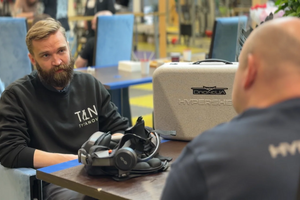
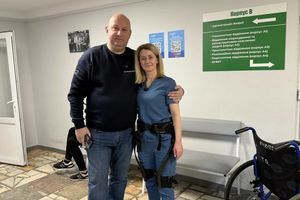
This was the focus of a discussion with Natalia Agapova, PhD in Medical Sciences and Head of the ZHIVA Scientific and Medical Project, who studies international experience in the use of exoskeletons in medicine and mobility recovery.
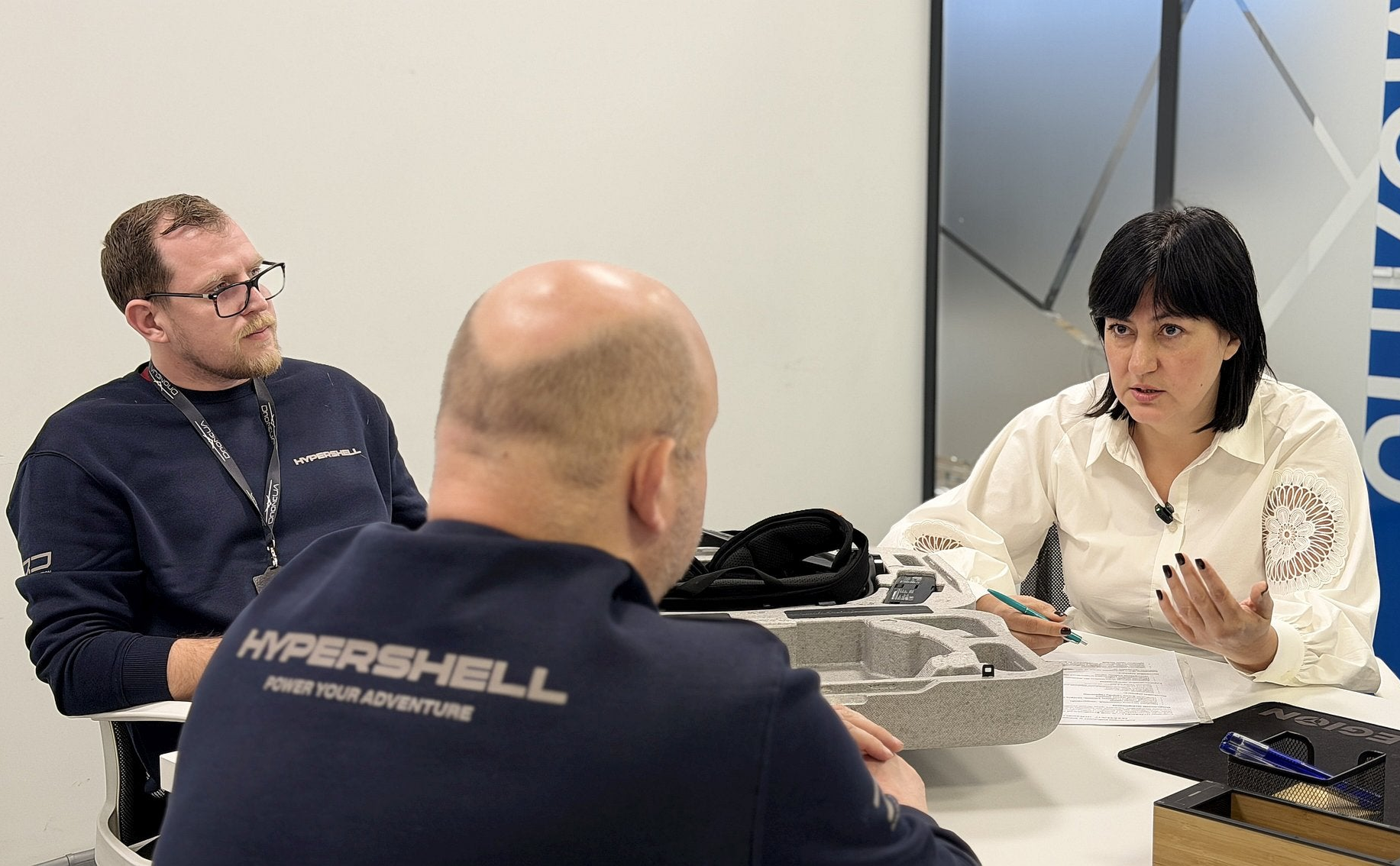
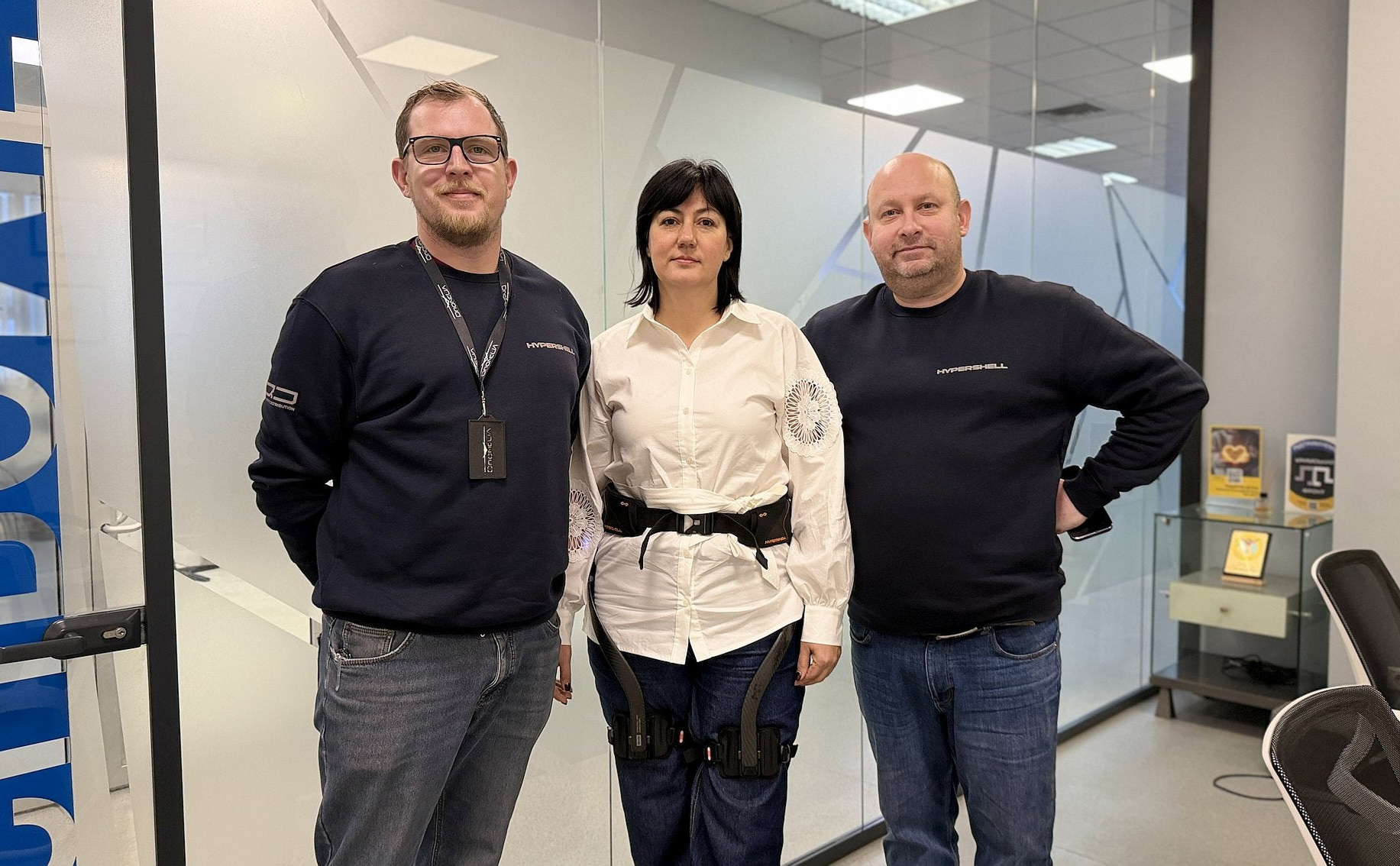 One of the key conclusions of the expert discussion is that wearable mobility-support systems may have particular potential in situations where a person retains the ability to walk independently but requires additional support while walking or gradually increasing physical activity.
In such scenarios, the technology does not replace movement but supports the user while performing it. This creates opportunities to explore the use of exoskeletons at different stages of recovery, including returning to activity following injuries or surgery and in certain cases involving mobility impairments.
Hypershell as a wearable mobility-support technology
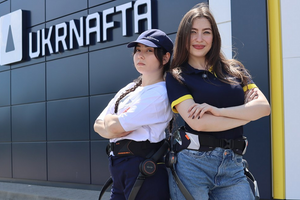
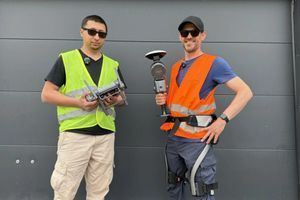
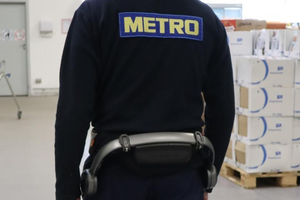
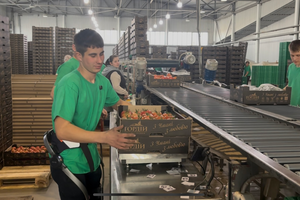
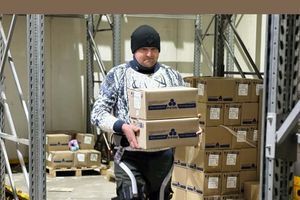
Hypershell is an active robotic exoskeleton that works alongside the user and adapts its level of support to their movements.
The technology may be relevant in scenarios where additional support during walking, reduced physical strain or assistance in maintaining physical activity for longer periods is required.
However, the suitability of an exoskeleton for use in medical or rehabilitation practice must be assessed on an individual basis, taking into account the person’s condition, rehabilitation goals and recommendations from relevant specialists.
From technological demonstration to professional evaluation
Direct interaction between the technology and the medical community is particularly important for the development of this field. Healthcare and rehabilitation specialists are best placed to identify the clinical and rehabilitation scenarios in which wearable mobility-support systems may offer practical value, as well as situations where their use may not be appropriate.
The next step is therefore controlled testing of exoskeletons with different user groups, involving relevant specialists. This approach makes it possible to move beyond initial impressions and towards a systematic assessment of the technology’s capabilities, limitations and potential applications.

 This field is particularly relevant to Ukraine. Developing modern rehabilitation requires not only access to new technologies, but also a professional environment in which they can be researched, tested and adapted to the real needs of users.
The role of Robotics Distribution in developing the technology
Robotics Distribution — the exclusive distributor of Hypershell in Ukraine, which ranks among the top 10 IT distributors in Ukraine and is part of the DroneUA group of companies.
The company is developing the Hypershell segment through practical demonstrations, testing and engagement with professional communities. Our goal is not simply to introduce a new technology to the market, but to create conditions for its professional evaluation and identify real-world application scenarios.
That is why collaboration with medical institutions, rehabilitation centres and relevant specialists is one of the key areas for developing this technology. Professional feedback helps us better understand users’ needs and identify where robotic mobility support can provide practical value.
Robotics Distribution is developing a partner network and opening up opportunities for businesses interested in implementing and distributing cutting-edge mobility-support technologies. For healthcare facilities, rehabilitation centres, professional teams and organisations working in mobility recovery, this is an opportunity to participate in practical research into the potential of wearable robotic technologies.
To learn more about the available partnership options, please contact the Robotics Distribution team.
Fill in the partner form:
https://docs.google.com/forms/d/e/1FAIpQLSedx1T87kvREM1IKtaH7eNfKbtpJlxltc07WyzZNwZ5IjFujQ/viewform
The full video of the conversation: