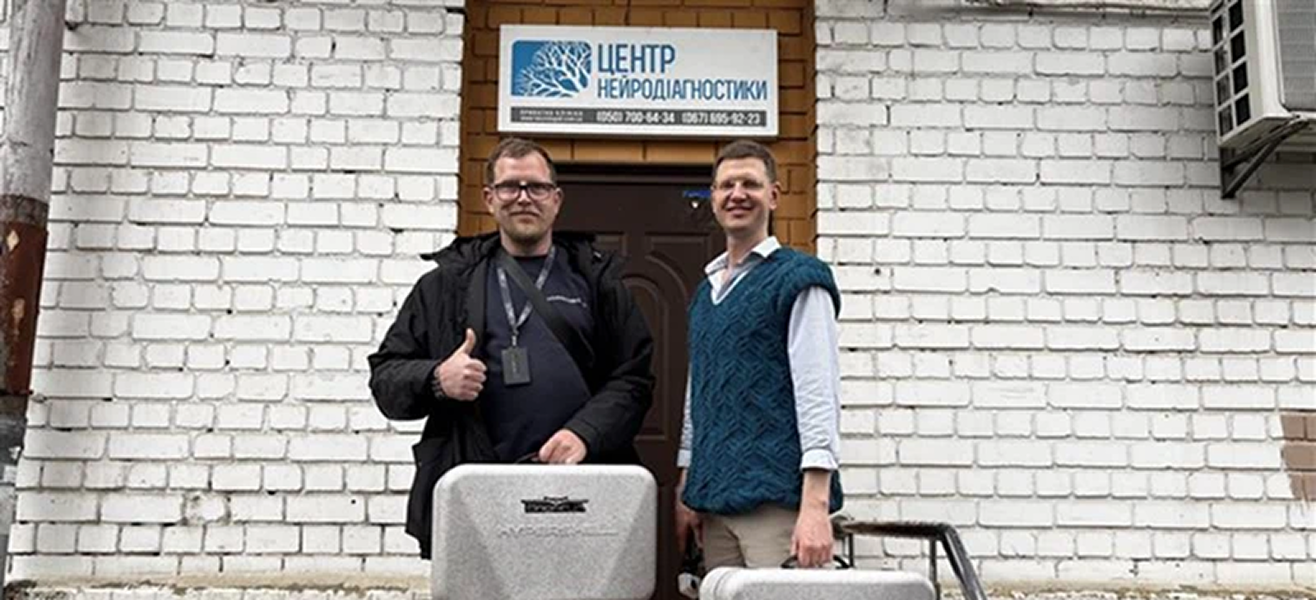
 Modern rehabilitation is increasingly incorporating technologies that help specialists work with movement in a systematic and personalized way. Wearable robotic systems are one such area: they do not replace the therapeutic process but can complement it by supporting people while they perform movement-related tasks.
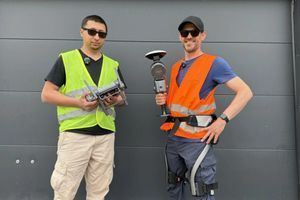
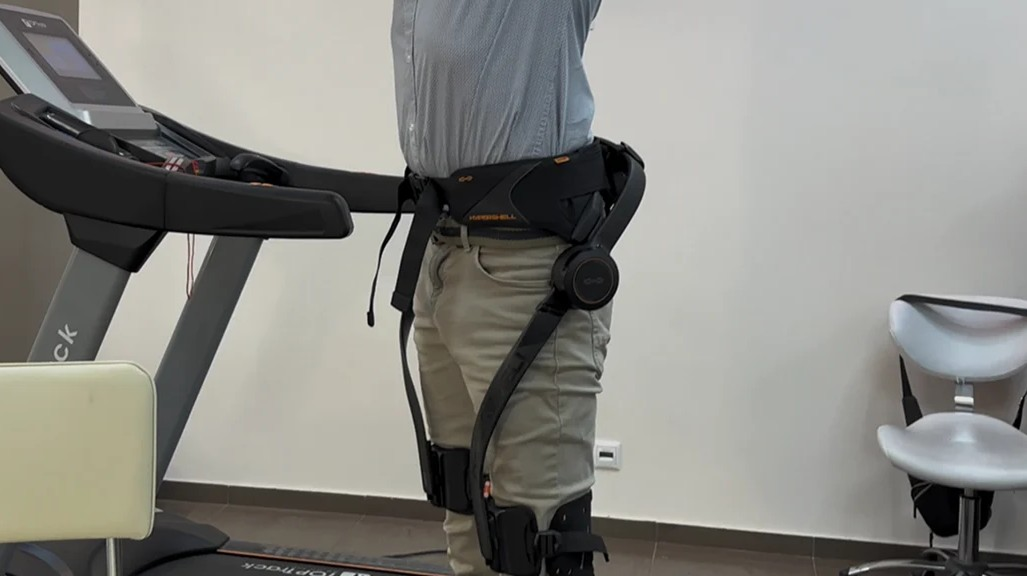
One solution in this field is Hypershell — an active robotic exoskeleton that works alongside the user and adapts its level of assistance to their movements.
Movement Support as Part of the Rehabilitation Process
In rehabilitation, it is important not only to perform an individual movement, but also to gradually create the conditions for repeating it safely and in a controlled manner. When independent walking or physical activity involves increased strain, additional mechanical support can be one of the tools used to work with movement patterns.
Hypershell supports users while walking and performing other activities, helping reduce physical strain and maintain movement within an individual’s capabilities.
This may be relevant in scenarios involving the gradual restoration of mobility after injuries or surgical procedures, endurance training, or maintaining physical activity in everyday environments.
At the same time, the solution is not a replacement for rehabilitation therapy. Its suitability should be determined by a qualified specialist based on the user’s condition, stage of recovery, and rehabilitation goals.
Working with Movement Patterns
One promising area of exoskeleton research is their use to support controlled movement.
Walking involves coordinated interaction between the lower limbs, pelvis, torso, and spine. Impairment in one of these components can lead to compensatory movements and additional strain on other areas of the body.
In this context, an exoskeleton can be considered an additional tool that helps support the user’s movement and reduce physical strain while performing it. This creates an opportunity for specialists to observe movement and gradually adjust rehabilitation tasks according to individual needs.
The key is a controlled approach: an exoskeleton does not impose a universal movement pattern on every user, and its application requires individual adjustment and professional assessment.

 Adaptive Movement Support
Hypershell uses an intelligent adaptive system that analyzes the user’s movements and adjusts the level of assistance according to the type of activity.
This makes it possible to use the exoskeleton across different movement scenarios — from regular walking to climbing, descending, and other forms of physical activity.
For rehabilitation professionals, it is important that the technology can be viewed not only as a means of mechanical support but also as a tool for facilitating longer and more controlled periods of physical activity. At the same time, the specific application format should be determined individually and supervised by qualified specialists.
From the Clinical Environment to Everyday Activity
One of the challenges in rehabilitation is transferring the results of work with a specialist into everyday life. This is why wearable technologies are of particular interest: they can potentially be used not only in specialized environments but also in everyday scenarios when appropriate for the user’s goals and capabilities.
For the professional community, this opens up further areas of research: how robotic assistance can complement traditional rehabilitation methods, which scenarios are most appropriate, and how to evaluate the effectiveness of this approach for different user groups.
Practical testing involving qualified specialists is what makes it possible to move from general interest in the technology toward evidence-based use cases.

 The Role of Robotics Distribution in Advancing the Technology
Robotics Distribution is the exclusive Hypershell distributor in Ukraine, ranks among Ukraine’s Top 10 IT distributors, and is part of the DroneUA group of companies.
The company is developing the Hypershell segment through demonstrations, practical testing, and professional dialogue with representatives of medicine, rehabilitation, sports, and other fields where movement-support technologies may offer practical value.
For us, the goal is not simply to introduce a new type of wearable robotics to the market, but to create the conditions for professional evaluation. That is why we work with specialized professionals, collect practical feedback, and explore scenarios in which the technology can be integrated into real-world processes.
Developing this field requires collaboration between technology companies, medical institutions, rehabilitation centers, and qualified professionals. Such cooperation helps identify real user needs and develop evidence-based approaches to using robotic movement-support technologies.
Robotics Distribution is developing its partner network and creating opportunities for businesses interested in implementing and distributing advanced movement-support technologies. If you work in healthcare, rehabilitation, sports medicine, or professional technology and are interested in practically exploring the capabilities of exoskeletons, contact the Robotics Distribution team to learn more about available partnership models.
Fill out the partner form:
https://docs.google.com/forms/d/e/1FAIpQLSedx1T87kvREM1IKtaH7eNfKbtpJlxltc07WyzZNwZ5IjFujQ/viewform
Learn more in the video case study: