 The efficiency of modern warehouse logistics depends not only on the speed of order processing and product movement, but also on how effectively a company uses its resources. Maintaining clean warehouse facilities remains one of the processes that requires regular time and staff involvement.
Cleaning large areas is a repetitive operation that requires consistent execution quality and significant labor resources. For logistics centers, manufacturing facilities, and warehouse complexes, automating these processes creates opportunities to optimize operational workloads and allocate working time more efficiently.
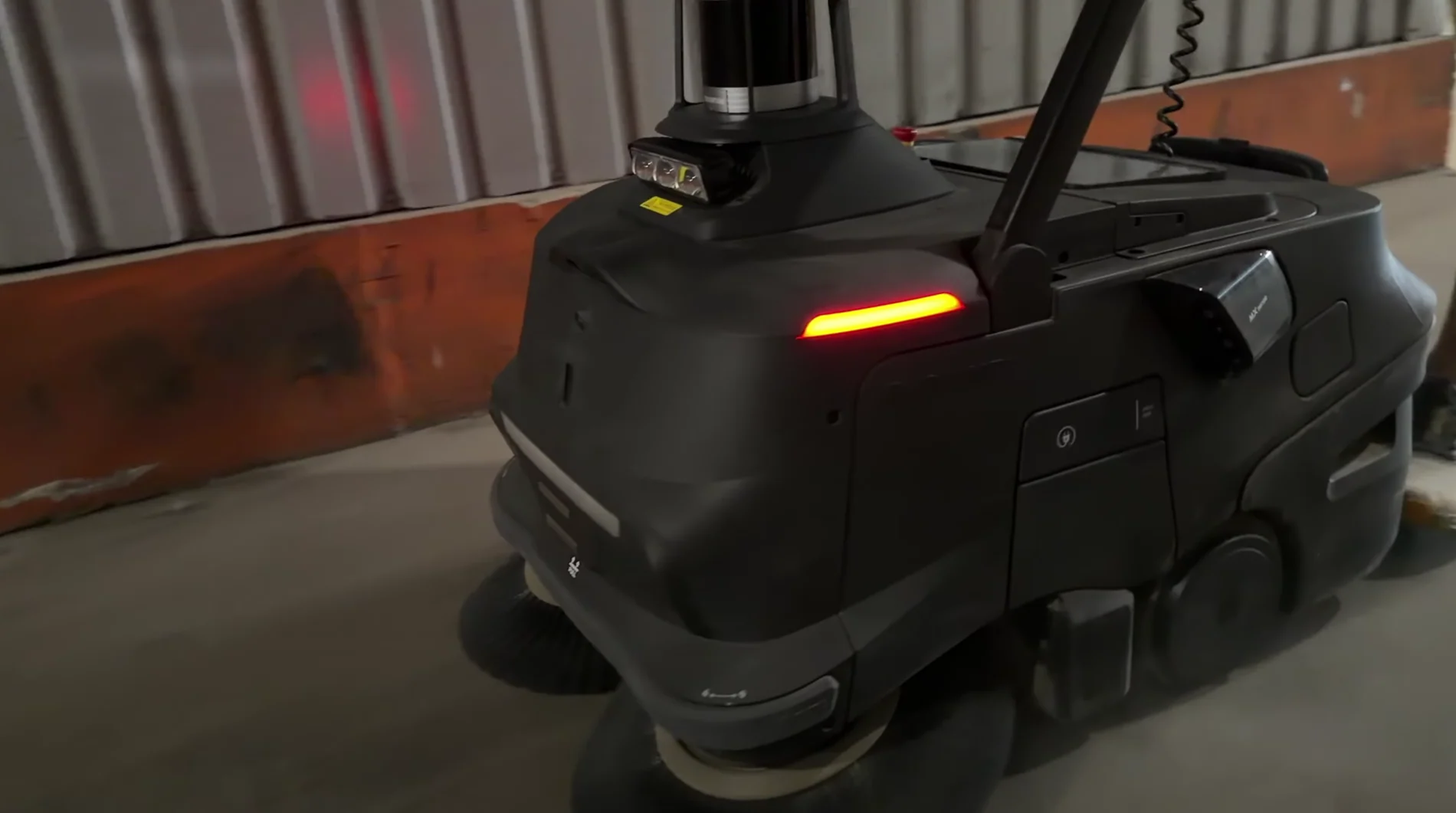
The practical use of PUDU service robots demonstrates how autonomous technologies can be integrated into warehouse environments and transform approaches to organizing daily operations.
Automating Warehouse Cleaning with PUDU Robots
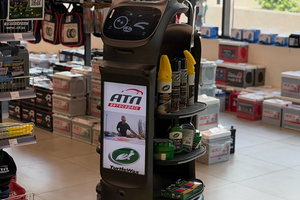
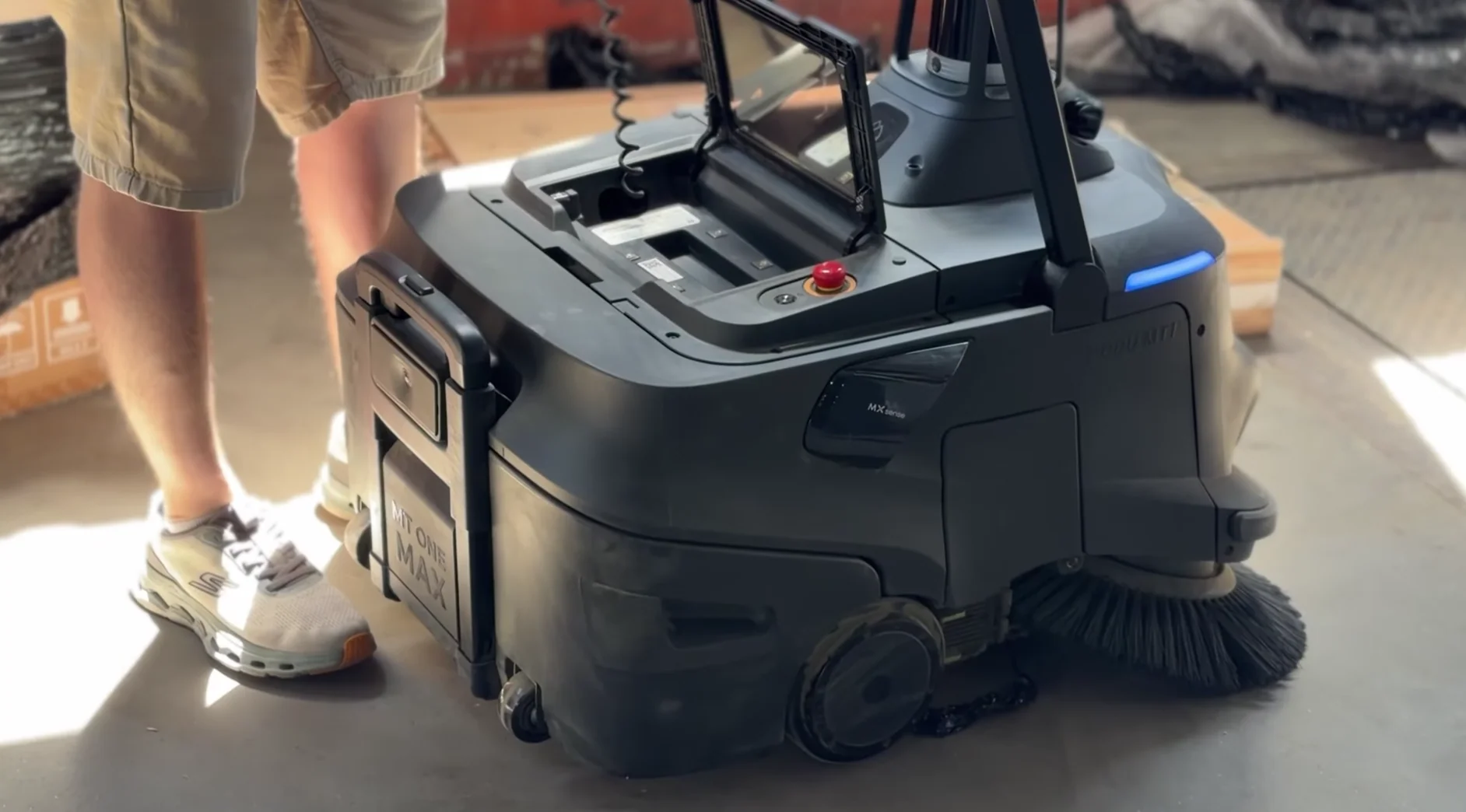
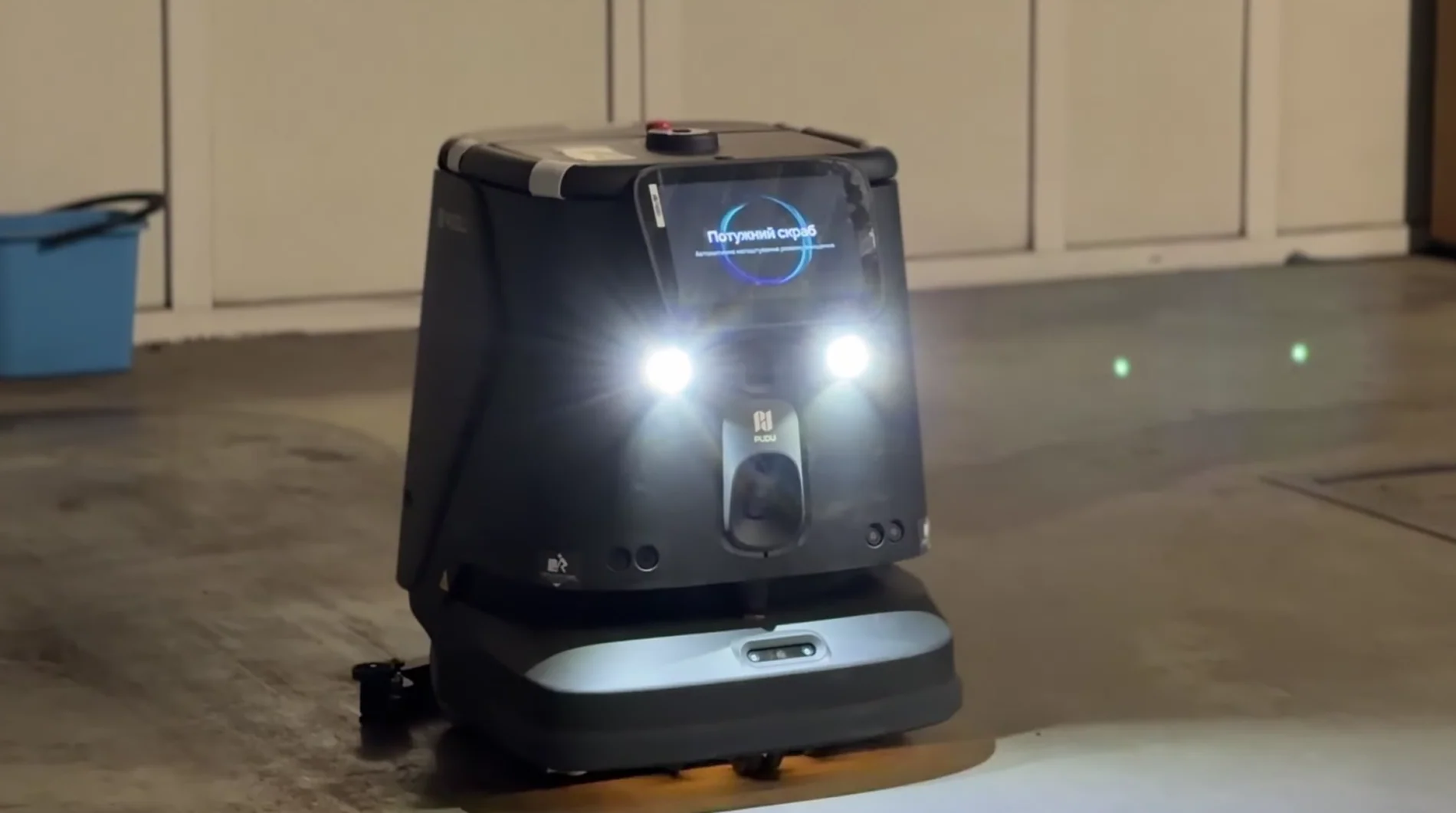
PUDU robotic systems are designed to automate routine cleaning operations in commercial and industrial environments. With autonomous navigation, sensor systems, and intelligent control algorithms, the equipment can move independently along designated routes, detect obstacles, and perform assigned tasks without constant manual control.
For warehouse logistics, the ability of robotic systems to operate in dynamic environments is particularly important, as employees, warehouse equipment, and vehicles may be moving through the same space simultaneously.
Autonomous cleaning robots make it possible to organize regular cleaning of large areas according to predefined scenarios, reducing the need to assign employees to repetitive operations.
 Practical Testing of PUDU in a Warehouse Logistics Environment
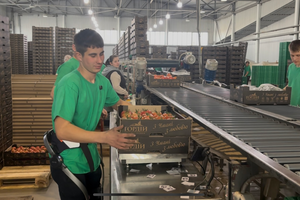
As part of practical testing of PUDU robotic solutions, the capabilities of autonomous cleaning were evaluated in a real warehouse environment.
The testing focused on aspects that are directly relevant to implementing robotics at logistics facilities:
- Interaction with employees: the robot’s ability to operate in spaces where company personnel are present.
- Adaptation to environmental changes: navigation in conditions where the location of objects and obstacles may change.
- Autonomous navigation: route planning and movement between elements of warehouse infrastructure.
- Consistent task execution: operation of the robotic system throughout a working shift.
Such testing makes it possible to assess how autonomous cleaning robots can be integrated into existing operational processes and determine the requirements for their further use.
Importantly, implementing robotics does not necessarily require a complete overhaul of the existing warehouse operating model. Automation can be introduced gradually, starting with individual repetitive operations that require regular execution.
Optimizing Labor Resources and Operational Efficiency
One of the key arguments for automating warehouse cleaning is the ability to redistribute employees’ working time.
At facilities with large warehouse areas, maintaining cleanliness can require several hours of employee labor during every shift. Over the course of a month, these activities can account for a significant amount of labor that can potentially be optimized through autonomous systems.
Integrating PUDU cleaning robots creates opportunities to:
- Reduce manual repetitive operations. Automating routine cleaning reduces the need for employees to perform repetitive tasks.
- Standardize processes. Cleaning according to predefined routes and scenarios supports a more predictable workflow.
- Use personnel more efficiently. Employees can focus on operations that require professional expertise, supervision, and decision-making.
- Improve process management. Autonomous systems make it possible to schedule regular tasks and reduce the dependence of individual operations on current staff workload.
At the same time, the economic efficiency of automation depends on the facility’s size, cleaning frequency, operating conditions, and current business costs. The implementation of such solutions should therefore be evaluated in the context of specific business processes.
 The Potential of Robotics for Logistics and Industrial Businesses
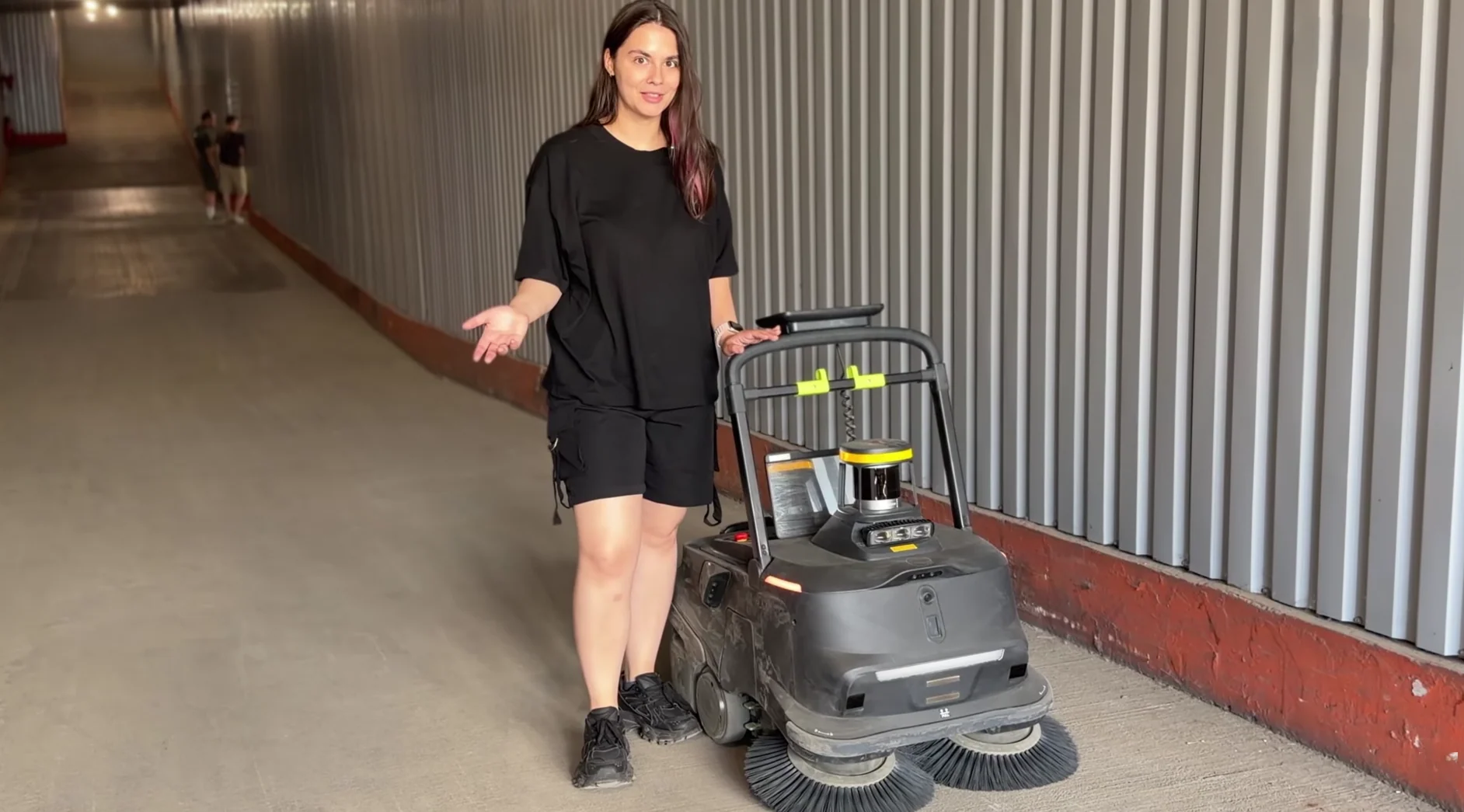
The practical application of PUDU in warehouse logistics demonstrates the potential of autonomous robotics for businesses where maintaining cleanliness is a regular part of operations.
These technologies may be relevant for logistics centers, distribution warehouses operated by retail networks, manufacturing facilities, large commercial properties, and warehouse real estate operators.
For corporate customers, robotics creates opportunities to optimize the costs associated with routine operations and establish a more predictable approach to infrastructure maintenance.
At the same time, the development of the autonomous cleaning robotics category creates new opportunities for system integrators, professional equipment suppliers, and companies working with corporate customers.
Service robotics can become a standalone area for expanding a product portfolio, as well as part of comprehensive automation projects for commercial and industrial facilities.
 Robotics Distribution: PUDU Technology Solutions for Business Automation
Robotics Distribution develops the PUDU service robotics business in the Ukrainian market, providing partners with access to technology solutions for automating commercial and industrial processes.
The company ranks among Ukraine’s Top 10 IT distributors and is part of the international DroneUA group of companies, whose technological expertise covers the implementation of robotic systems, engineering solutions, and operational process automation.
Practical PUDU use cases in warehouse logistics demonstrate the potential of service robotics as a distinct technology category for the corporate sector.
Robotics Distribution invites system integrators, dealers, specialized equipment suppliers, and companies interested in implementing and distributing PUDU robotic solutions to partner with us.
To learn more about available partnership models and receive individual commercial terms, submit a partnership application to Robotics Distribution: https://docs.google.com/forms/d/e/1FAIpQLSedx1T87kvREM1IKtaH7eNfKbtpJlxltc07WyzZNwZ5IjFujQ/viewform
More details are available in the video case study: